Exploring the Genre of Murder Mystery
The murder mystery genre has a rich and engaging history, characterized by captivating plots and elaborate twists that keep readers on the edge of their seats. The origins of this genre can be traced back to the works of early writers such as Edgar Allan Poe, whose tale “The Murders in the Rue Morgue” laid the groundwork for future developments in the field. It was in the early 20th century, however, that the genre truly flourished, largely influenced by authors like Agatha Christie and Arthur Conan Doyle. Christie’s novels, particularly those featuring Hercule Poirot and Miss Marple, have become iconic representations of murder mystery literature in the UK.



![[Fast-Drying Pet Feeding Mat] Splash-Proof, Absorbent, Easy to Cl...](https://m.media-amazon.com/images/I/41Lj5J43BgL._AC_.jpg)

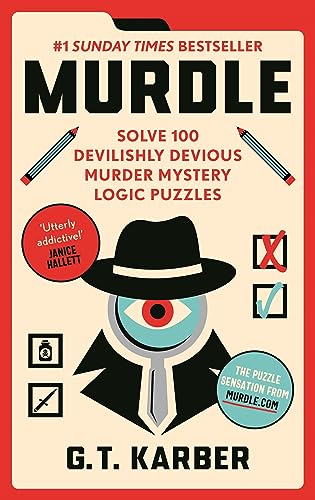
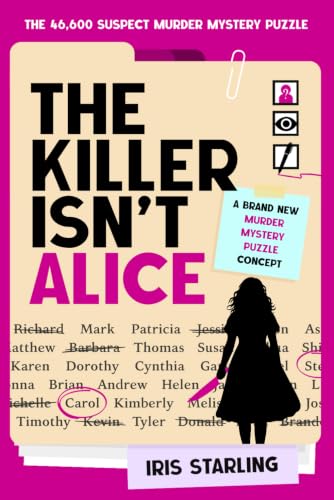
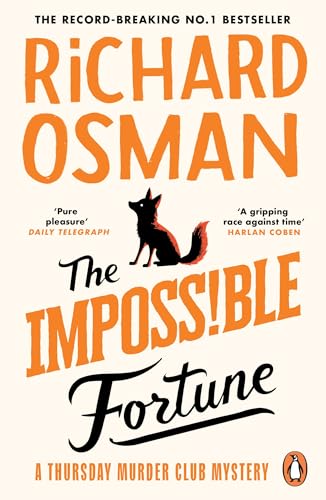


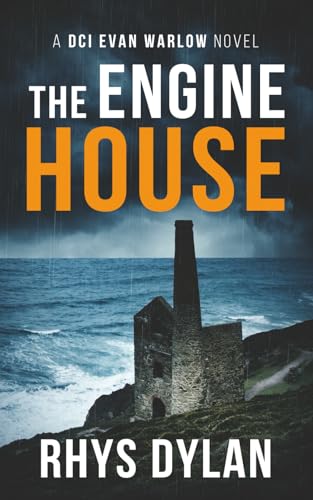
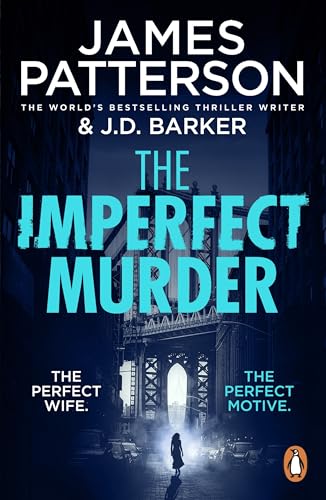
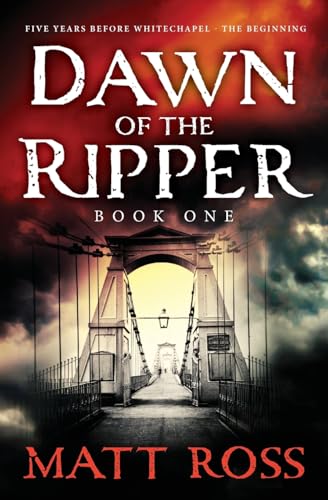
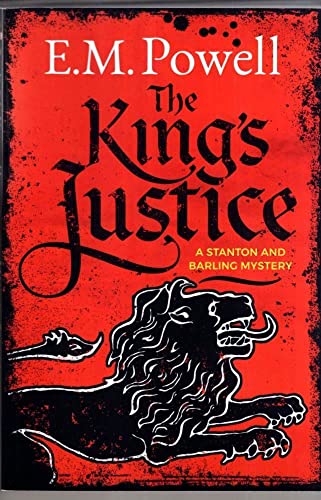
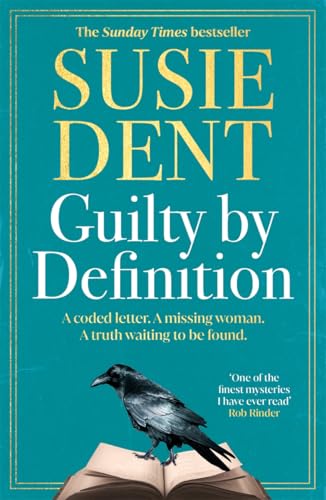
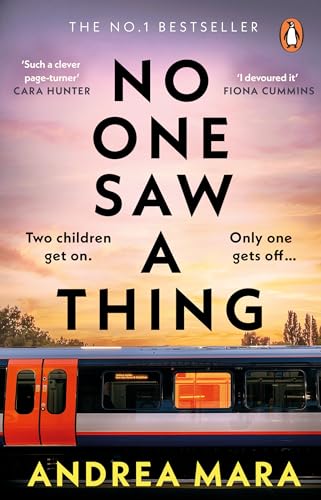
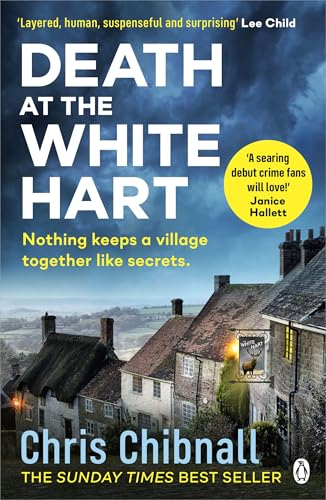
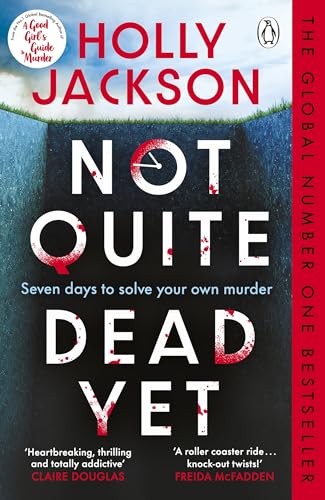
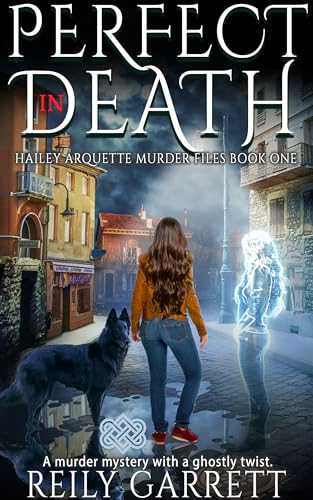

Murder mystery novels are defined by their central themes of suspense, investigation, and resolution. They often follow a formula wherein a crime is committed, multiple suspects are introduced, and the protagonist, usually a detective or amateur sleuth, works to uncover the truth. This distinctive structure not only intrigues readers but also allows for deeper analysis of human nature and morality. The genre’s ability to provoke thought and elicit emotional responses contributes to its enduring appeal.
Over the years, the murder mystery genre has diversified significantly, resulting in various sub-genres that cater to a range of tastes. From cozy mysteries featuring quaint village settings to darker psychological thrillers, there is now a murder mystery book for every type of reader. Additionally, contemporary authors are incorporating modern themes and technologies, thus revitalizing classic tropes. Authors such as Tana French and Sophie Hannah have further expanded the genre’s boundaries, introducing new perspectives and styles.
Top Authors and Their Iconic Works
The United Kingdom has a rich and storied tradition of murder mystery literature, with a roster of authors whose works have captivated readers for generations. Among the most eminent of these is Agatha Christie. Often referred to as the ‘Queen of Crime,’ Christie authored 66 detective novels and 14 short story collections, many featuring her famous Belgian detective, Hercule Poirot, and the astute Miss Marple. Her ability to weave complex plots with unexpected twists makes her works timeless, with classics such as “Murder on the Orient Express” and “And Then There Were None” standing out as iconic examples.
Another significant figure in this genre is Sir Arthur Conan Doyle, best known for creating the legendary detective Sherlock Holmes. Doyle’s novels, such as “A Study in Scarlet” and “The Hound of the Baskervilles,” are pivotal in establishing the framework for murder mystery narratives, featuring rigorous logic and keen observation. His writing style, characterized by intricate plots and vivid characterizations, has influenced countless writers and continues to resonate within the genre.
In more contemporary times, authors like Tana French and Sophie Hannah are redefining the murder mystery landscape in the UK. Tana French, with her psychological depth and atmospheric storytelling, is noted for her Dublin Murder Squad series, while Hannah has revitalized the Hercule Poirot franchise with her own innovative mysteries. Books like “The Searcher” by French and “The Monogram Murders” by Hannah are examples of how modern writers are contributing fresh perspectives to the traditional murder mystery.
Each of these authors, from the classics to contemporary creators, showcases the diverse narrative styles and thematic explorations that characterize UK murder mystery literature. Their works not only entertain but also invite readers into intricate worlds of suspense and intrigue, ensuring that the genre remains vibrant and engaging.
Must-Read Classics
One of the quintessential murder mystery books is Agatha Christie’s “Murder on the Orient Express.” This classic features detective Hercule Poirot as he attempts to unravel a murder that occurs on a luxurious train. The novel’s intricate plot and host of characters make it a standout in the genre, often regarded as one of Christie’s best works.
Page-Turning Thrillers
For those seeking a gripping page-turner, Gillian Flynn’s “Gone Girl” is a contemporary masterpiece. This novel explores the complexities of marriage through the lens of a missing wife and the ensuing media frenzy. Flynn’s sharp prose, coupled with unexpected twists, keeps readers on the edge of their seats.
Hidden Gems
A lesser-known yet impactful novel is “The Cuckoo’s Calling” by Robert Galbraith, a pseudonym for J.K. Rowling. This modern mystery revolves around the death of a supermodel and the private investigator tasked with uncovering the truth. Its rich characterization and clever plot development offer a fresh take on the traditional detective story.
Historical Mysteries
“The Name of the Rose” by Umberto Eco merges historical fiction with murder mystery, set in a 14th-century Italian monastery. The story follows a monk as he investigates a series of mysterious deaths. Eco’s intricate historical detail and philosophical undertones add depth to this spellbinding tale, making it a must-read for enthusiasts of both genres.
Cozy Mysteries
If you prefer a lighter read, consider “The No. 1 Ladies’ Detective Agency” by Alexander McCall Smith. Set in Botswana, this charming series features Mma Precious Ramotswe as she solves various cases with her unique approach. The gentle humor and cultural insights wrapped in a mystery format offer a delightful escape from more intense thrillers.
Where to Find and Buy Murder Mystery Books in the UK
For avid readers and enthusiasts of murder mystery novels, the United Kingdom offers a variety of venues to acquire these captivating books. Whether you prefer to shop online or browse through local independent bookstores, there are numerous options available. Major online retailers such as Amazon, Waterstones, and WHSmith provide extensive collections of both new and popular murder mystery novels. With customer reviews at your disposal, you can make informed decisions on which titles to choose.
Independent bookstores also serve as fantastic resources for finding murder mystery books. Stores like Daunt Books in London and The Golden Hare Books in Edinburgh often curate unique selections, including specialized genres and local authors. Visiting these bookstores not only supports small businesses but also opens up potential for discovering rare gems that larger retailers may overlook.
If you are looking for books at no cost, public libraries are an excellent option. Most libraries in the UK have dedicated mystery sections, and popular titles often circulate quickly. Additionally, libraries often provide access to interlibrary loan systems, allowing you to borrow books from other libraries if your local branch does not have a particular title available.
For those interested in deepening their engagement with murder mysteries, consider joining book clubs or participating in local literary events. Many cities in the UK host mystery-themed book clubs where members discuss their favourite titles and share recommendations, creating a vibrant community of fellow enthusiasts.
Online communities, such as Goodreads and social media groups dedicated to murder mysteries, are also valuable resources for discovering new authors and connecting with like-minded readers. By participating in these platforms, you can exchange tips and suggestions on finding rare or out-of-print novels. Engaging with fellow readers ensures a continual exploration into the diverse world of murder mystery literature.